Commercial Shaved Ice Machine Cost Guide (2026)
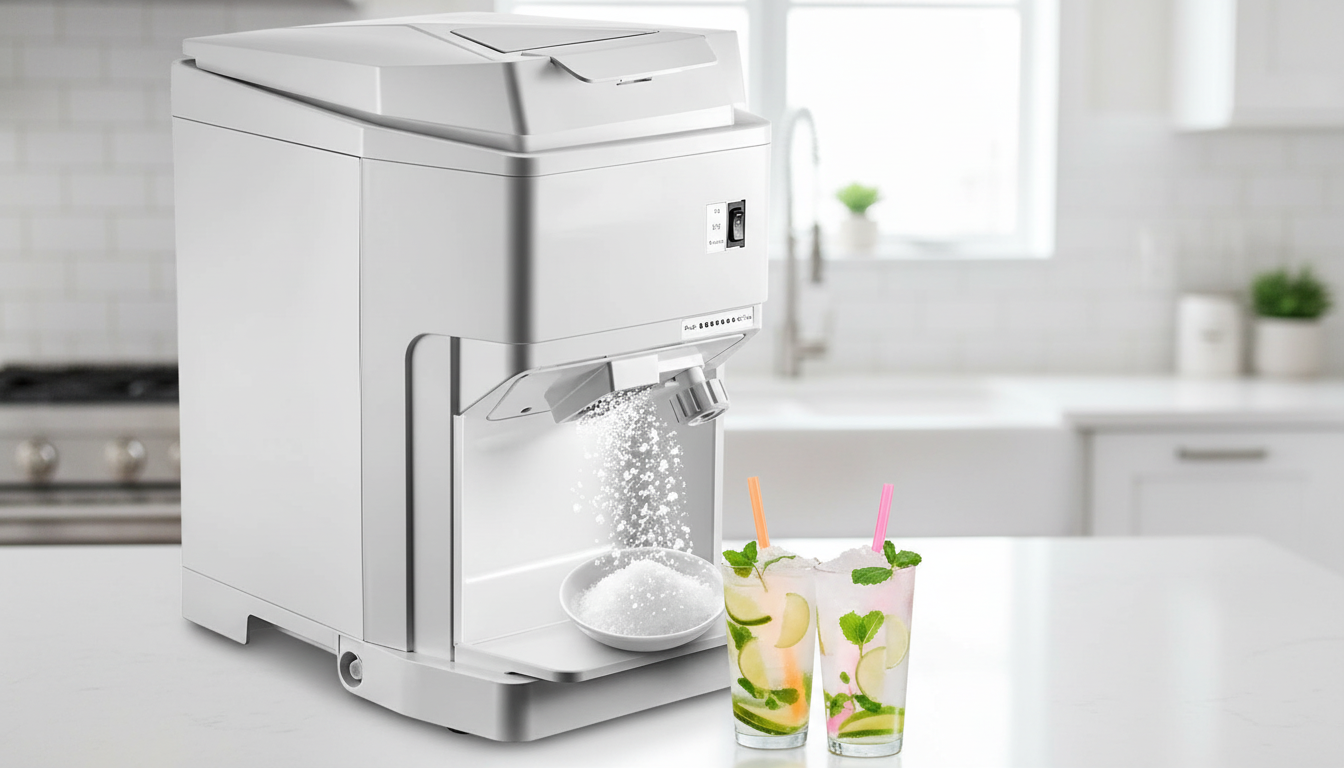
How much does a commercial shaved ice machine cost?
Most commercial shaved ice machines cost anywhere from about $300 to $3,000+, with the final price tied to production speed, build quality, and whether the unit is designed for continuous service. Light-duty countertop models for small stands or limited menus often land in the lower end of the range, while high-output machines built for long lines and daily operation trend toward the upper end.
Budget units can work for occasional events, but they may have slower shave times, more plastic components, and shorter duty cycles. Mid-range machines typically add sturdier housings, stronger motors, improved ice chute designs, and better consistency in ice texture. Premium commercial models generally focus on fast throughput, quieter operation, long service life, and easier access for cleaning and maintenance.
What factors move the price up or down?
Output capacity: Machines rated for higher volume (more servings per hour) cost more because they use stronger motors and more durable shaving mechanisms.
Ice type and shave quality: Some machines handle larger blocks or produce a finer, fluffier shave for premium snow-style desserts, which often raises the price.
Construction and longevity: Stainless steel parts, sealed bearings, and commercial-grade switches add cost but tend to reduce downtime.
Ease of cleaning and safety features: Interlocks, splash guards, and tool-free disassembly can push the price up while saving labor.
What else should be budgeted besides the machine?
Plan for supplies and operating needs like syrup bottles, cups, spoons, drip trays, and potentially a dedicated ice source (ice maker or freezer capacity). Some setups also require a cart, canopy, or additional electrical accessories. Factoring these in helps avoid underestimating the true startup cost.
For a more detailed breakdown of price ranges and what to expect at each tier, visit https://pluto.sale/how-much-does-a-commercial-shaved-ice-machine-cost/.
FAQ
What size shaved ice machine do I need for a small business?
Match the machine to your busiest hour: a small stand with steady but modest traffic can often use a mid-output unit, while high-peak venues benefit from higher-capacity models to prevent long wait times. If you expect lines, prioritize output rate and continuous-duty performance over the lowest price.






Leave a comment