Are BJD Dolls Chinese? Origins, Makers, and Myths

Are BJD dolls Chinese?
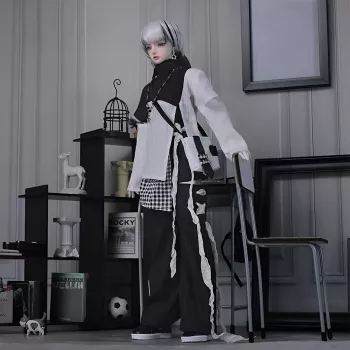
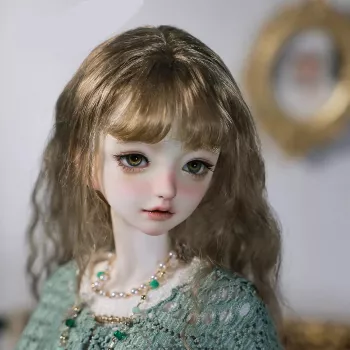
Ball-jointed dolls (BJDs) are not exclusively Chinese, but many BJDs are made in China today. The short answer is that BJDs are an international hobby and product category: the modern BJD scene has strong roots in Japan and Korea, while China is now a major manufacturing hub with many well-known companies and independent artists producing resin BJDs.
Where did BJDs originate?
While “ball-jointed doll” can describe older forms of articulated dolls historically, the modern collectible resin BJD hobby is commonly associated with East Asia, especially Japan and South Korea. Companies in these regions helped popularize the contemporary style—highly customizable dolls with interchangeable parts, detailed face sculpts, and a large ecosystem of wigs, eyes, clothing, and accessories.
Why are so many BJDs associated with China?
China’s presence is large for a few reasons: a strong domestic collector community, a growing number of Chinese doll makers, and manufacturing capabilities that support everything from full dolls to accessories. As a result, many collectors encounter Chinese BJDs early—whether through major brands, studios, or popular marketplace releases.
Are Chinese BJDs “real” BJDs?
Yes. A legitimate BJD is defined by its construction (ball-and-socket joints, usually strung with elastic) and the maker’s originality and licensing—not by the country where it’s produced. Chinese BJDs from reputable companies and artists are authentic products within the hobby, just like dolls from Japan, Korea, Europe, or the U.S.
How to learn more
For a deeper breakdown of origins, regions, and what collectors mean when they talk about “Chinese BJDs,” visit the main guide: https://pluto.sale/are-bjd-dolls-chinese/.
For Are BJD Dolls Chinese? Origins, Makers, and Myths, the best answer depends on fit, material, care instructions, and how the product will be used day to day.
FAQ
What’s the difference between a legit BJD and a recast?
A legit BJD is produced by the original sculptor or an authorized company; a recast is an unauthorized copy. Recasts often raise ethical and legal issues and can also differ in material quality and fit.







Leave a comment