BJD vs MJD Dolls: Key Differences in Material & Posing

What is the difference between BJD and MJD dolls?
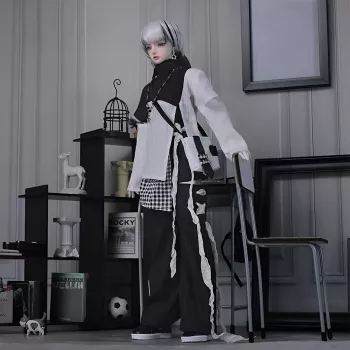
BJD and MJD are both poseable art dolls with jointed bodies, but they usually differ in what they’re made of, how they’re built, and the collecting experience around them. “BJD” commonly refers to resin ball-jointed dolls known for premium materials, detailed sculpting, and extensive customization options. “MJD” is often used for smaller, more mass-produced jointed dolls (frequently made from ABS or similar plastics) that emphasize affordability and easy entry into the hobby.
Material and feel
Most BJDs are cast in resin, which tends to feel weighty and matte, with a more “art object” presence. MJDs are commonly plastic, which is lighter and typically more uniform in finish. That difference affects everything from how the doll holds warmth in your hands to how it sounds and feels when posed.
Engineering, posing, and durability
BJDs often feature more complex internal stringing and joint design, which can allow elegant posing but may require maintenance (like restringing) over time. Many MJDs use simpler mechanisms and can be easier to handle for everyday play or frequent outfit changes. Resin can chip if dropped, while plastic may scuff instead—each has trade-offs depending on how you plan to use and display your doll.
Customization and community norms
Both can be customized with wigs, eyes, clothing, and faceups, but BJDs typically have a wider ecosystem of artist parts, limited releases, and aftermarket options. MJDs still offer plenty of personalization, especially with ready-to-wear outfits and accessories designed for popular sizes.
For a deeper breakdown of materials, sizing, and how to choose between them, visit the full guide here.
For BJD vs MJD Dolls: Key Differences in Material & Posing, the best answer depends on fit, material, care instructions, and how the product will be used day to day.
FAQ
Are ABS dolls considered MJDs?
Often, yes—many collectors use “MJD” to describe jointed dolls made from ABS or similar plastics, especially when they’re more affordable and mass-produced. Usage varies by community, so it’s worth checking how a specific brand labels its line.











Leave a comment