Infrared Hair Tools: Gentler Heat, Not Zero Damage
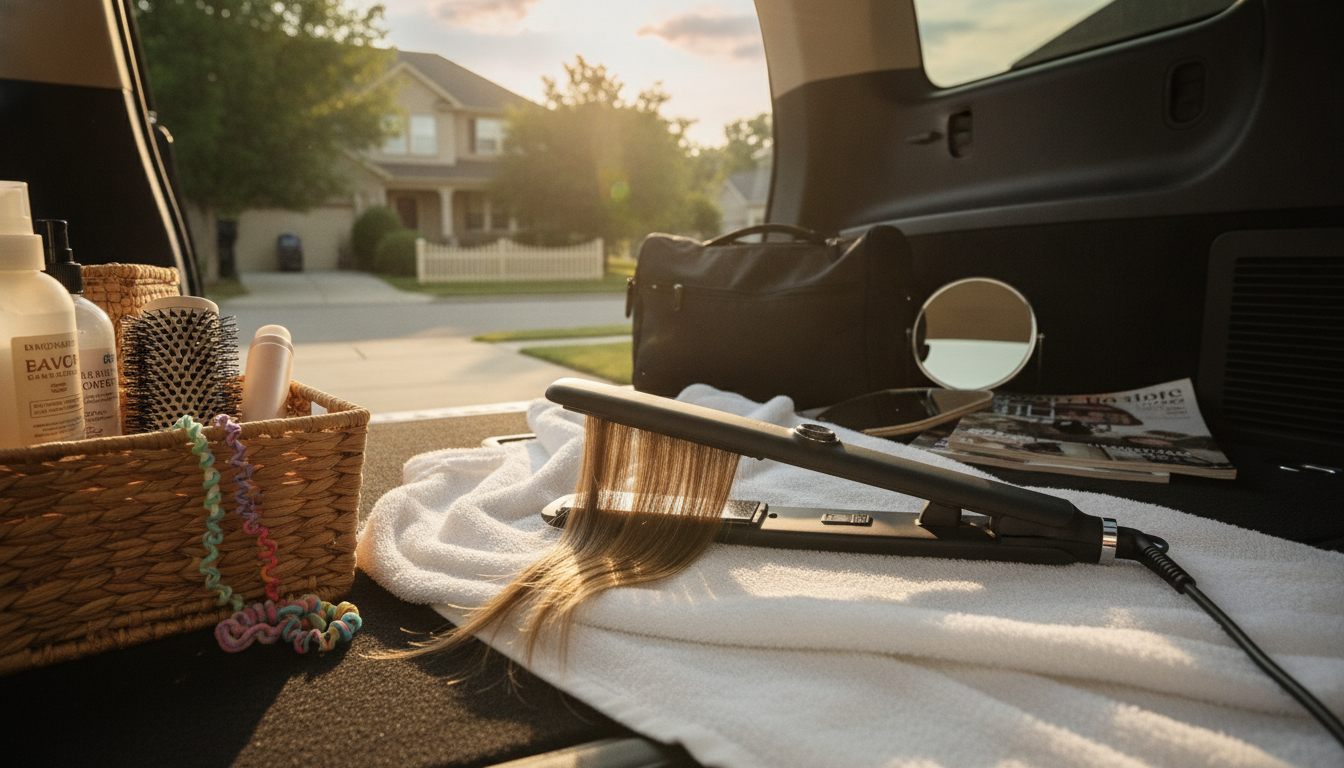
Does infrared really give no heat damage to hair?
Infrared styling can be gentler than many traditional hot tools, but it doesn’t mean “no heat damage.” Any method that raises hair temperature high enough to evaporate internal moisture or weaken keratin bonds can cause dryness, dullness, and breakage over time. Infrared simply heats differently, often making it easier to style effectively at a lower setting and with fewer passes.
How infrared heat works on hair
Conventional tools often rely heavily on surface heating—warming the outside of the hair strand quickly. Infrared energy is associated with deeper, more even warming, which can reduce extreme hot spots on the cuticle. When the temperature is controlled and the tool is well-made, that evenness may help limit the “scorch” effect that happens when one area gets overheated.
Why “no damage” claims can be misleading
Infrared can still damage hair if the temperature is too high, the tool is held in one place, or hair is repeatedly styled while already compromised from coloring, bleaching, or chemical treatments. Damage risk also increases when hair is wet (more fragile) or when you’re doing multiple passes to force results.
What actually reduces heat damage with infrared tools
Lower temperatures, fewer passes, and consistent technique matter more than the label on the device. If an infrared tool lets hair smooth or dry faster at a reduced setting, that’s a real benefit—but it’s still heat. Pairing the right temperature with a quality heat protectant and avoiding daily high-heat styling makes the biggest difference.
Practical tips for safer infrared styling
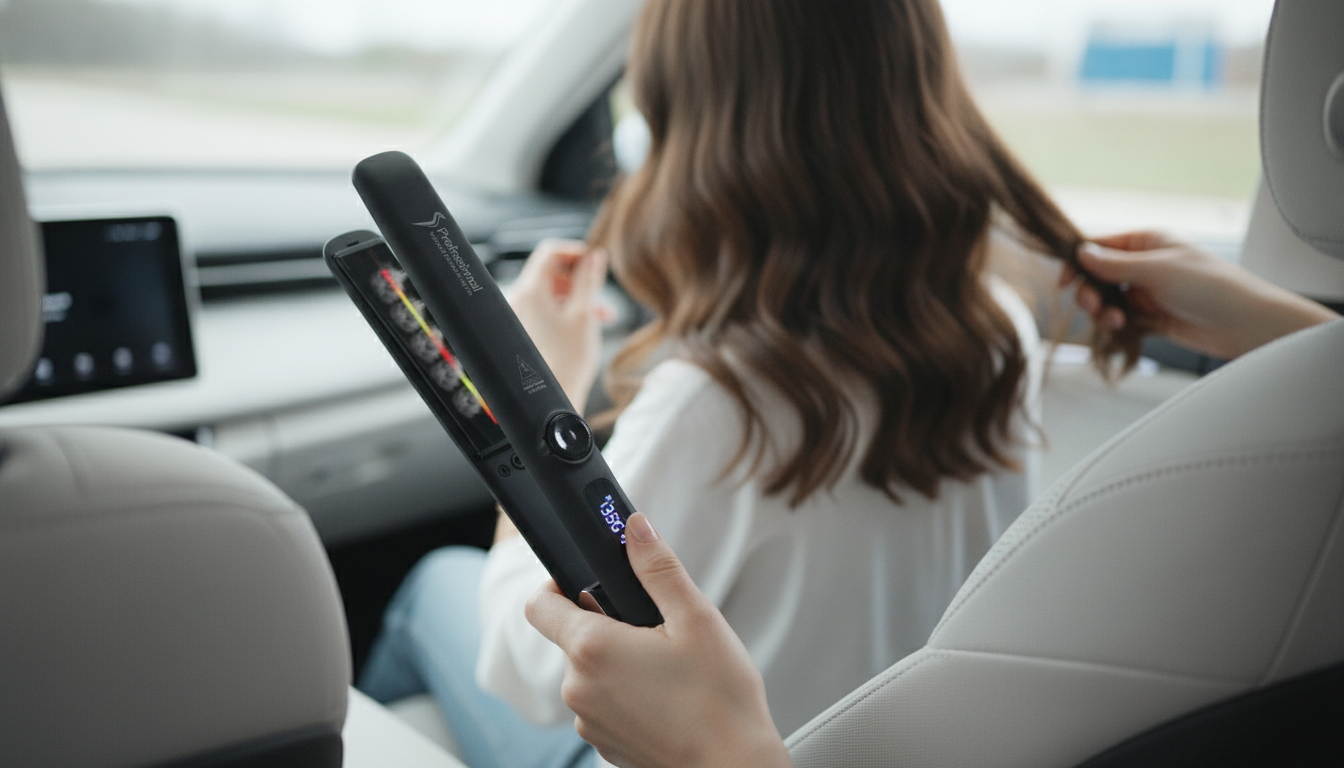
Start with the lowest effective setting and increase only if needed. Keep the tool moving, work in small sections, and avoid lingering on the ends. If hair is color-treated or fine, treat it as “high risk” and stay conservative with heat. For a deeper breakdown of how infrared compares to standard heat and what “damage-free” really means, visit the full guide here.
FAQ
Is infrared better than ceramic for hair?
Infrared can warm hair more evenly and may reduce hot spots, while ceramic is known for stable, consistent heat. The “better” option depends on temperature control, tool quality, and how you use it.







Leave a comment