Cordless Cat Water Fountains: Features, Cleaning, Tips
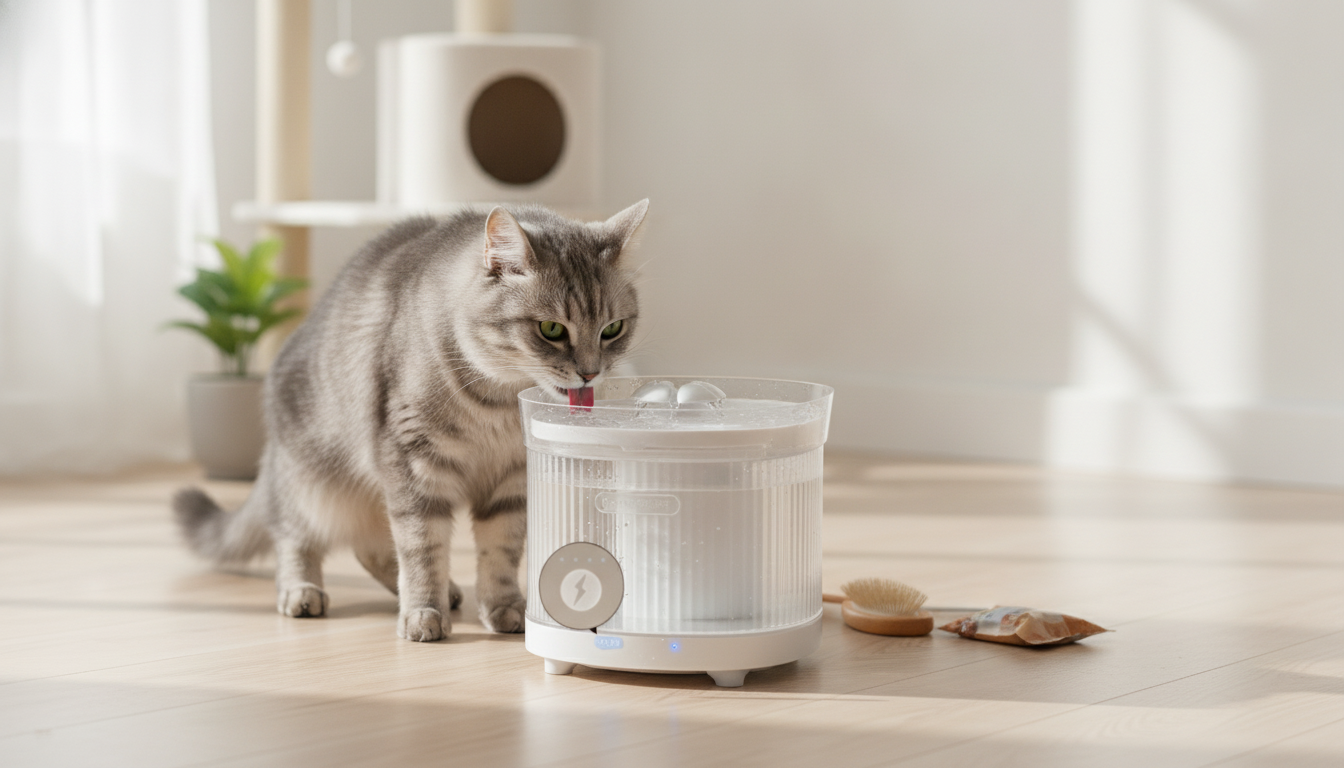
Cordless Pet Fountain for Cats: Cleaner, Fresher Water Without Cords
Fresh, moving water can encourage many cats to drink more, but cords and outlet placement often make traditional fountains inconvenient. A cordless fountain removes that limitation, making it easier to place hydration where a cat actually spends time—while keeping counters tidier and reducing chew-risk for cord-curious pets.
Why cordless fountains work well for cats
- Flexible placement: Set it in quiet, low-traffic areas or near favorite nap spots without hunting for an outlet.
- Reduced clutter: Fewer visible cables on counters and floors can make a home feel cleaner.
- Safer setup for some households: Less temptation for chewing or pawing at cords, especially with kittens.
- Better routine consistency: It’s easier to keep the fountain in the same “approved” spot where a cat already drinks.
- Helpful for multi-pet homes: Add a second station in another room without rearranging furniture around outlets.
Many cats also prefer drinking away from busy walkways and noisy appliances. Being able to place a fountain where your cat actually relaxes—rather than where the outlet happens to be—can make daily hydration feel more natural.
Key features that matter most
- Water capacity and refill frequency: Choose a size that fits how many cats will use it and how often you can top it off.
- Filtration approach: Look for multi-stage filtering (debris capture plus odor/taste reduction) and easy-to-find replacement filters.
- Pump design and access: A pump that comes apart easily makes weekly cleaning faster and helps prevent buildup.
- Battery performance and charging: Check runtime expectations, charging method, and whether a low-power indicator is easy to notice.
- Noise level: Quieter pumps are typically better for sound-sensitive cats and timid cats.
- Spill resistance: A stable base and sensible spout height reduce splashing and “digging” mess.
- Materials: Smooth, non-porous surfaces are easier to scrub clean; avoid tight crevices where biofilm can form.
Hydration supports overall wellness, and it can be especially important for cats prone to urinary or kidney concerns. For deeper veterinary context on feline health topics, see the American Veterinary Medical Association (AVMA) cat care resources and Cornell’s overview of chronic kidney disease in cats.
Cordless vs corded vs water bowl
All three options can work—what matters most is clean, appealing water and a setup your household can maintain.
| Option | Best for | Trade-offs |
|---|---|---|
| Cordless fountain | Flexible placement, tidy counters, rooms without convenient outlets | Requires charging and battery awareness |
| Corded fountain | Continuous operation, households that want plug-in simplicity | Outlet dependence; cord visibility and management |
| Water bowl | Minimal parts, easiest to wash quickly | Water can become stale faster; may not encourage some cats to drink |
For travel or temporary setups (moving between rooms, staying with family, rearranging furniture), cordless fountains are often easier to relocate. Corded models can be great for “set-and-forget” households, but cords still need safe routing—especially in homes with curious pets. For general pet-safety guidance around household hazards (including cords and small parts), the ASPCA’s household hazards information is a helpful reference.
Daily use and placement tips
- Separate water from litter: Place the fountain away from litter boxes and strong food odors; many cats prefer a little distance.
- Keep it level: A flat surface reduces sloshing and helps the pump run smoothly.
- Offer a backup bowl at first: A cautious cat may drink better when there’s no pressure to “figure out” the new setup immediately.
- Introduce slowly: Run the fountain nearby for a day, then move it to the final spot once it feels familiar.
- For splashy cats: Use a simple mat underneath and keep the waterline within the recommended range for calmer flow.
If your cat avoids the fountain at first, try repositioning it to a quieter corner. Some cats dislike being watched while they drink, while others prefer being able to see the room around them. A cordless design makes these small adjustments much easier.
Cleaning and filter schedule that keeps water appealing
- Daily: Top up and do a quick rinse of the drinking area if fur or crumbs are visible.
- Weekly: Disassemble, wash with mild soap, rinse thoroughly, and wipe down the pump housing and intake area.
- Every 2–4 weeks (typical): Replace filters based on manufacturer guidance, water hardness, and the number of pets using it.
- Clean sooner if you notice: Slower flow, unusual noise, slippery film, or odor.
- Use dedicated tools: A small brush reserved for pet items helps avoid residue from household cleaners.
Consistency is the secret: a fountain that’s easy to maintain is more likely to stay fresh. If your tap water is hard, mineral buildup can appear faster—so a slightly more frequent pump rinse can keep flow steady and noise down.
What to look for before buying a cordless fountain
Recommended picks in stock
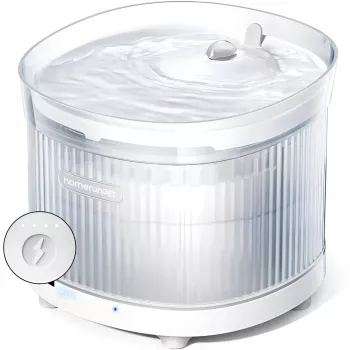
Cordless Pet Fountain for Cats
| Item | Details |
|---|---|
| Product | Cordless Pet Fountain for Cats |
| Price | $91.01 USD |
| Availability | In stock |
Gray Linen Upholstered Twin Bed with Cushioned Headboard for Kids Bedroom
FAQ
How often should a cat water fountain be cleaned?
Plan on a daily top-up and quick rinse when you see debris, a weekly disassembly and wash (including the pump area), and filter replacement about every 2–4 weeks. Homes with multiple pets or hard water often need more frequent cleaning.
Is a cordless fountain safe to leave out all day?
In general, yes—when it’s placed on a stable surface, kept clean, and maintained so the pump doesn’t run dry. Keep charging equipment dry, follow the manufacturer’s instructions, and do quick water-level checks as part of your routine.
Why won’t my cat drink from a fountain?
Common reasons include a pump that sounds too loud, a location near litter/foot traffic, unfamiliarity, water taste, or a flow that’s too strong. Try a quieter spot, gentler flow, fresh water, and a backup bowl during the transition.







Leave a comment