Boho vs Bohemian Style: Key Differences Explained
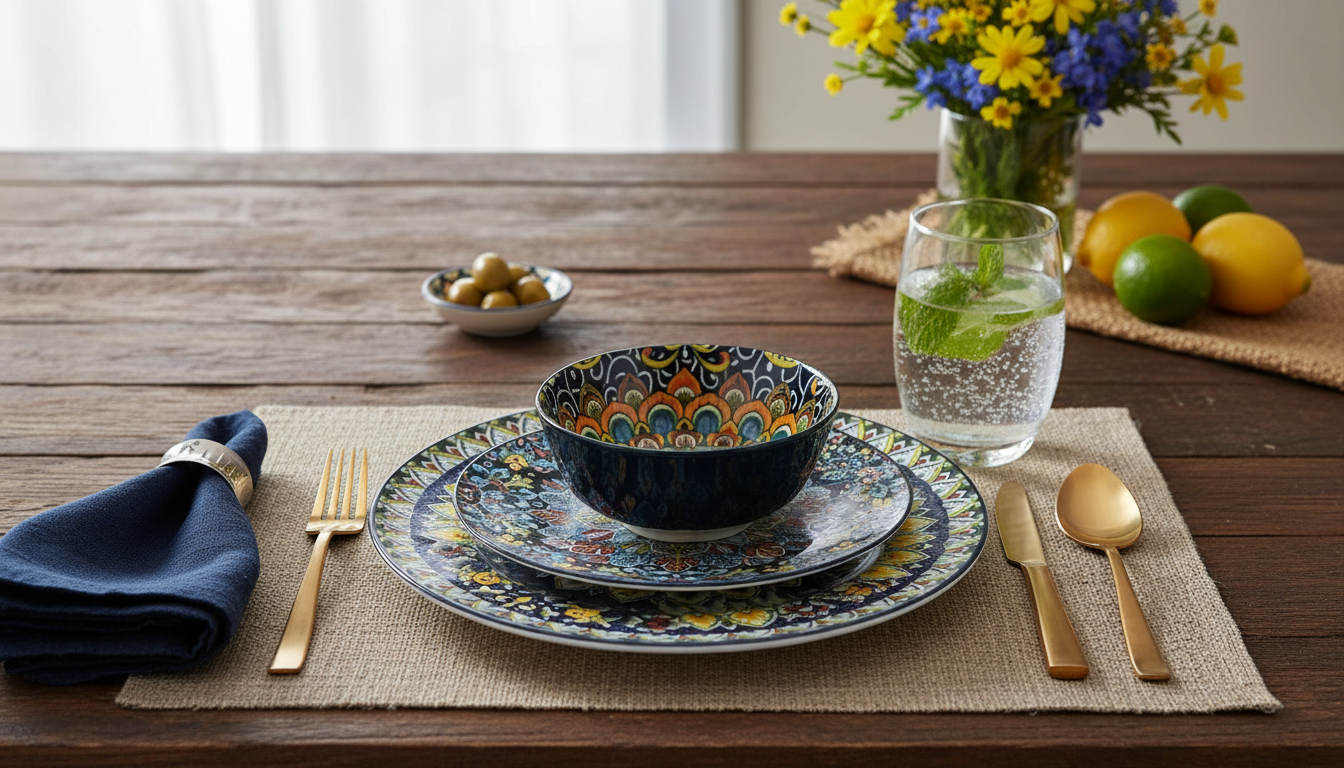
What is the difference between boho and bohemian style?
Boho and bohemian style are closely related, but they’re not identical. “Bohemian” is the broader, original concept—rooted in 19th-century artistic, unconventional living—while “boho” is a modern, more wearable shorthand that borrows the spirit of bohemian style and adapts it for everyday fashion and home decor.
Bohemian style: the full, expressive umbrella
Bohemian style leans into individuality, global influences, and an eclectic mix of eras and textures. It often looks layered and collected over time: embroidered pieces, vintage finds, artisan jewelry, natural materials, and bold patterns that don’t necessarily “match” in a traditional way. The goal is creative freedom rather than a polished uniform.
Boho style: a streamlined, trend-friendly offshoot
Boho (short for bohemian) takes key bohemian elements—flow, texture, and relaxed silhouettes—and simplifies them. Compared to classic bohemian styling, boho is usually more edited: fewer competing prints, more neutral color palettes, and easier outfits like a breezy maxi dress with a denim jacket, or a crochet top with high-waisted jeans.
How to tell them apart at a glance
If the look feels intentionally eclectic, richly layered, and a little “collected from travels,” it’s closer to bohemian. If it feels soft, relaxed, and curated for modern wear—with a couple of signature details like fringe, lace, or earthy accessories—it’s more boho.
For a deeper breakdown with examples and styling notes, visit https://pluto.sale/what-is-the-difference-between-boho-and-bohemian-style/.
For Boho vs Bohemian Style: Key Differences Explained, the best answer depends on fit, material, care instructions, and how the product will be used day to day.
Checking those details first helps avoid a poor match and keeps the choice practical after delivery.
FAQ
What are some easy ways to add boho touches to a modern wardrobe?
Start with one statement piece, like a flowy blouse, suede boots, or a fringe bag, then keep the rest of the outfit simple. Layering delicate jewelry and choosing warm, earthy tones also adds a boho feel without going full eclectic.






Leave a comment