Real vs Genuine Leather: Which Label Means Better?
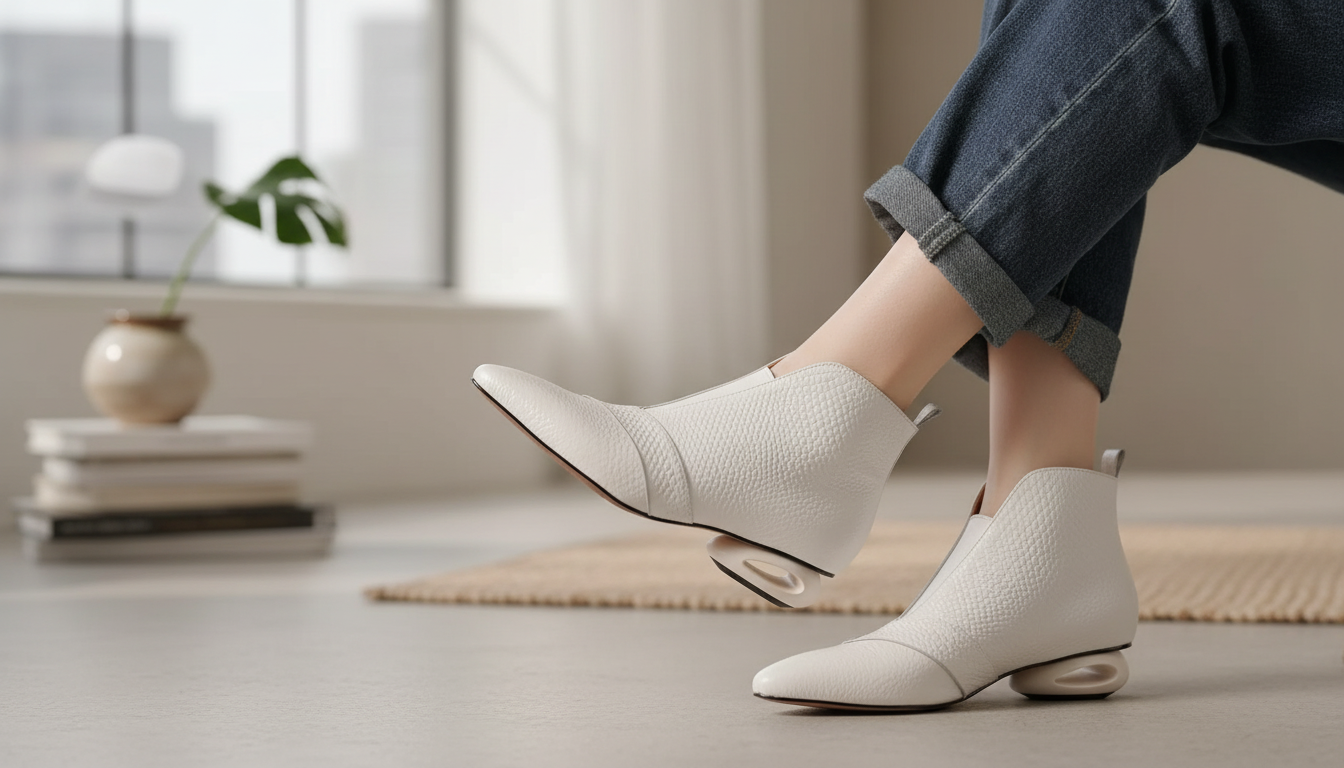
Which is better, real leather or genuine leather?
“Real leather” is usually the better choice, but it depends on what each label actually means on the product. In most retail listings, “real leather” indicates the item is made from animal hide (not synthetic), while “genuine leather” is a broad category that can range from decent full-grain to lower-grade split leather—often with heavy finishing. Because “genuine” is not a quality grade, it can be less predictable.
What “real leather” typically signals
When a product is described as real leather, the seller is emphasizing authenticity: it’s leather, not faux. Quality still varies, but “real leather” is commonly paired with clearer descriptions like full-grain or top-grain. For footwear, that usually means better durability, more comfortable break-in, and a surface that develops character rather than peeling.
What “genuine leather” really means
Genuine leather simply means the material contains real leather. It doesn’t promise a premium cut. Many “genuine leather” items are made from split leather (the lower layer of the hide) and then coated or embossed to look uniform. That can look nice at first, but thick coatings may crack over time and won’t age as naturally as higher-grain leathers.
How to choose for boots and winter wear
For winter ankle boots, look beyond the label. If you see “full-grain” or “top-grain,” that’s typically a stronger bet for longevity and a better patina. If the listing only says “genuine leather,” check for details on leather type, lining, waterproof treatments, and construction. A wedge outsole can also help with stability on cold-weather surfaces, so materials and build matter as much as the leather tag.
For more practical tips on choosing pointed-toe wedge ankle boots for winter—fit, styling, and material considerations—see the main guide here: https://pluto.sale/guide-pointed-toe-leather-wedge-ankle-boots-winter/.
FAQ
How can you tell if leather is full-grain or split?
Product specs are the most reliable: look for “full-grain” or “top-grain” wording. Split leather is often described only as “genuine leather” and may feel more plasticky due to coatings, with a very uniform, embossed grain pattern.







Leave a comment